

Ethanol as a Marine Fuel for the United States
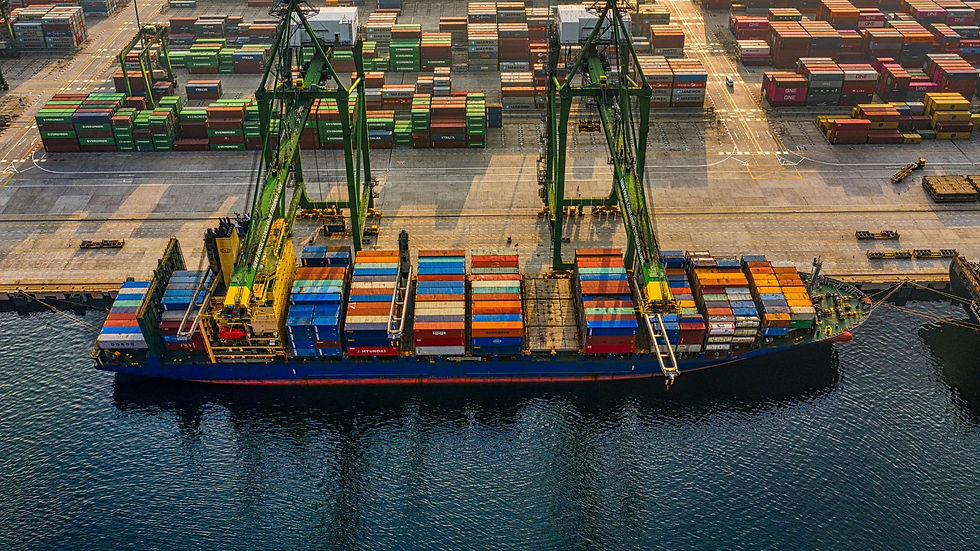
The United States already has the supply, the infrastructure and a growing body of operating evidence to make ethanol a practical low-emission marine fuel.
MEMA has released the Executive Summary of "Study on Ethanol as a Marine Fuel for the United States", prepared by ABS Sustainability Center in Houston.
The study examines U.S. ethanol supply and infrastructure, technical readiness, emissions, economics, maritime use cases and policy pathways.
Its central finding: the United States possesses one of the world's most scalable, cost-competitive and immediately deployable low-emission liquid marine fuel pathways, and the fuel is already being produced at record volumes.
Key findings
Massive domestic supply. The U.S. produced 16.4 billion gallons of ethanol in 2025, 51% of global output, and exported 2.18 billion gallons to 80 countries. The supply chain, from farm to port, already exists.
A significant new demand opportunity. U.S. production capacity of 18.5 billion gallons a year exceeds current production by about 2 billion gallons. Even 1% of the international shipping fuel market would absorb about 1 billion gallons of U.S. ethanol.
American jobs and economic value. Every 1 billion gallons used as marine fuel generates an estimated $5–7 billion in economic activity and supports 30,000–50,000 American jobs across farming, biorefineries, logistics, ports and shipyards.
Technically ready. Ethanol is at a technology readiness level of 8–9. All three major marine engine makers have validated ethanol engines, with commercial engines expected from 2027. The U.S. Coast Guard bunkering framework has been operational since July 2025.
Strong emissions performance. SOx is virtually eliminated, NOx falls by 40–94% and particulate matter by 90–99%, all without scrubbers. The most efficient plants achieve well-to-wake GHG reductions of more than 50% against VLSFO.
Growing international demand. FuelEU Maritime, already in force, and the evolving IMO framework are creating demand for certified low-emission fuels, expanding the export opportunity for U.S. ethanol.
From analysis to operation
The case is already moving into practice. On 28 September 2026, Maersk completed the first U.S. commercial ship-to-ship ethanol bunkering of a deep-sea container vessel in Houston, using U.S.-produced corn ethanol.
Download the Executive Summary
The Executive Summary will be available to download from 13 October 2026, the first day of SIBCON 2026. Register now and we will email it to you upon release.
The full study is expected at the end of October 2026 and will be available on this page. Registered readers will be notified when it is released.